DNREC Menu

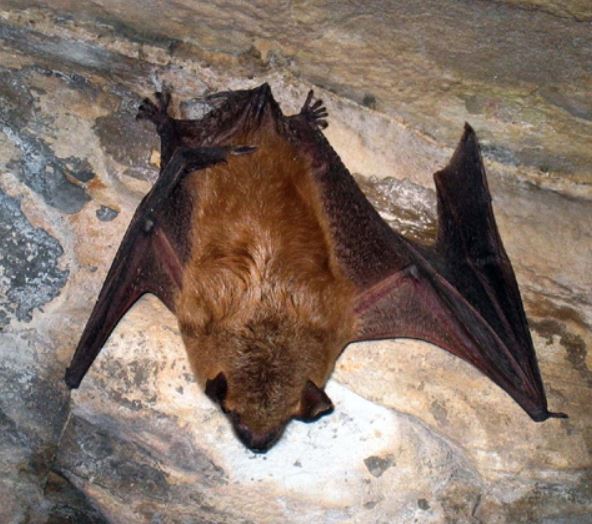
Bats are one of the most mysterious and least understood groups of mammals. Discover the bats of Delaware; the species we have, how to attract or safely evict them, get information about White-Nose Syndrome, find out what the state is doing for bats, and how you can help.
Bats are the only mammals that can fly. Some of Delaware’s tree bat species migrate long distances from summer roosts to their wintering grounds, while our cave bat species fly to the caves and mines of other states to hibernate. In their travels, they have been known to fly over land, along coastlines and over water much like migrating birds. Each spring, our bats return and grow strong after the long drain of winter by feasting on Delaware’s insects.
Bats provide a valuable and naturally organic service to people – we do not miss the mosquitoes, beetles, moths, and crop pests that bats eat! In fact, to gain the energy needed to nurse their young, female bats can eat the equivalent of their body weight in insects each night. Having a lifespan of 5 to 20 years and raising only one pup per summer (some species have twins), bats are loyal and will return to the same roost every year.
Bats hibernating at Fort Delaware and Fort DuPont State Parks were confirmed to have White-Nose Syndrome (WNS) in 2012.
White-Nose Syndrome Fact Sheet (2019)
White-Nose Syndrome Map (White-Nose Syndrome Response Team)
All things bats – species list, Delaware’s research, facts and myths, and what to do if you find one in the wild.
What to do with uninjured Bats in Your House or Yard, injured Bats, or Dead Bats
If you become a Bat Spotter volunteer, you will work with scientists and researchers to collect data that will be used in conservation decisions for Delaware bats.
Volunteers help with numerous tasks at various skill levels including maternity colony emergence counts, maternity colony catches and acoustic driving transect surveys. The Delaware Bat Program also welcomes talents such as public speaking, teaching and photography.
Volunteers must complete online training and be able to commit to at least two days of volunteer work during the season.
Volunteers for the Delaware Bat Program have the rare opportunity to work side-by-side with research scientists. This interaction and hands-on involvement offers an exceptional opportunity to learn about bat conservation and gain skills in observing, catching, handling, measuring and banding bats.
Volunteers also gain opportunities for resume-building and experience for careers in the conservation science field.
Have bats or know where bats spend their days? Let us know. If you see bats flying through your neighborhood on summer nights, try to find their roost nearby first, then report your find to the DNREC Division of Fish and Wildlife. Call us at 302-735-3600.
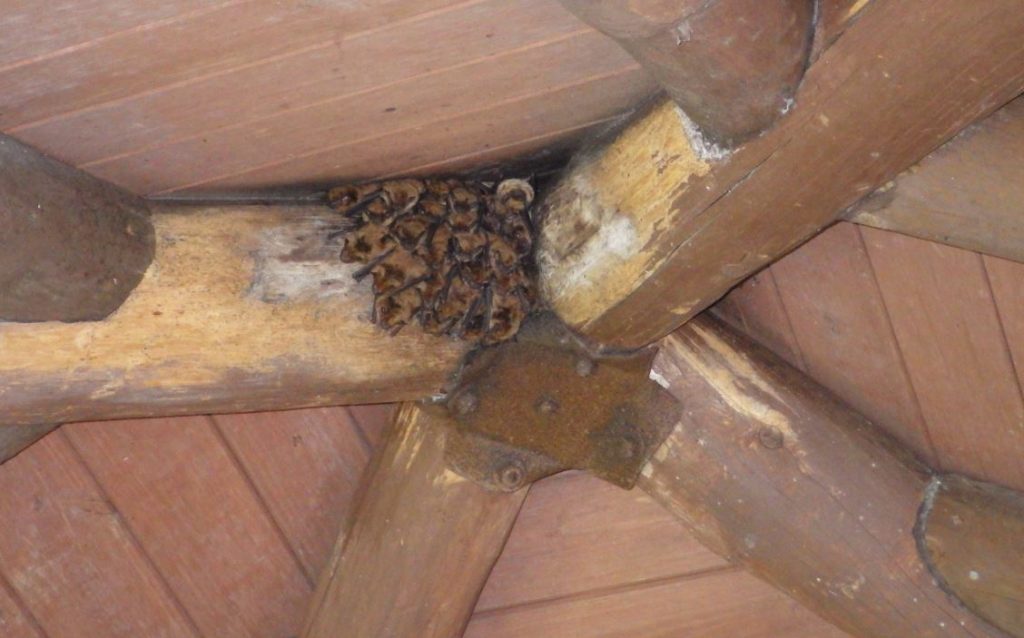
From one bat to many, information and resources for how to address bats in buildings such as helpful tips, times of year to avoid, and methods to bat-proof a building responsibly. For concerns or instructions about rabies testing, call 866-972-9705.
Safely Catching a Bat in Your Home
Best Management Practices for Bat Exclusions
Delaware’s Permitted Wildlife Control Operators
Provide backyard habitat and invite organic pest control. Instructions for providing bat habitat. Be sure not to put your box on a tree. Bats do not usually use boxes placed on trees.
Bat Box Building Plans (from the Pennsylvania Game Commission)
Bat Conservation International
Related Topics: bats, conservation, fish and wildlife, wildlife
Delaware's Governor
State Agencies
Elected Officials
General Assembly
Delaware Courts
State Employees
Cities & Towns
Delaware State Code
State Regulations
Business First Steps
Phone Directory
Locations Directory
Public Meetings
Voting & Elections
Transparency
Health Insurance
Tax Center
Personal Income Tax
Privacy Policy
Weather & Travel
Contact Us
Corporations
Franchise Tax
Gross Receipts Tax
Withholding Tax
Delaware Topics
Help Center
Mobile Apps
E-mail / Text Alerts
Social Media


Built by the Government Information Center
©MMXXVI Delaware.gov